
A home can appear clean and organized while still hiding layers of dust and residue in places most people rarely notice. These overlooked areas quietly collect buildup through everyday living.
Understanding where hidden dirt gathers helps homeowners maintain a more comfortable and healthier environment. Small adjustments to cleaning awareness can reveal surprising places that need attention.
What Causes Hidden Dirt to Accumulate
Dust and debris constantly move through the home due to airflow, daily activity, and foot traffic. These particles eventually settle in locations that rarely receive regular attention.
Over time, oils from hands, cooking residue, and airborne dust combine to form stubborn buildup. Because this process happens gradually, it often goes unnoticed.
Everyday Activities That Contribute to Buildup
Several common habits allow dirt to gather in less visible places.
• Opening and closing doors throughout the day
• Cooking that releases oils into the air
• Air vents circulating dust between rooms
• Moisture from showers and sinks
• Pets shedding hair and dander
These everyday activities create a constant cycle of particles settling onto surfaces.
Why These Areas Are Easy to Overlook
Most cleaning routines focus on obvious surfaces such as floors, countertops, and tables. Smaller details like trim, edges, and fixtures often fall outside regular routines.
Because these areas appear minor, residue can remain for long periods without being noticed.
Common Areas Where Dirt Hides
Some of the most common dirt hotspots are places people interact with daily. Since they blend naturally into the background, they rarely stand out during routine upkeep.
Despite their size, these areas can collect surprising amounts of grime.
Overlooked Spots Around the Home
• Light switches and outlet covers
• Door handles and cabinet knobs
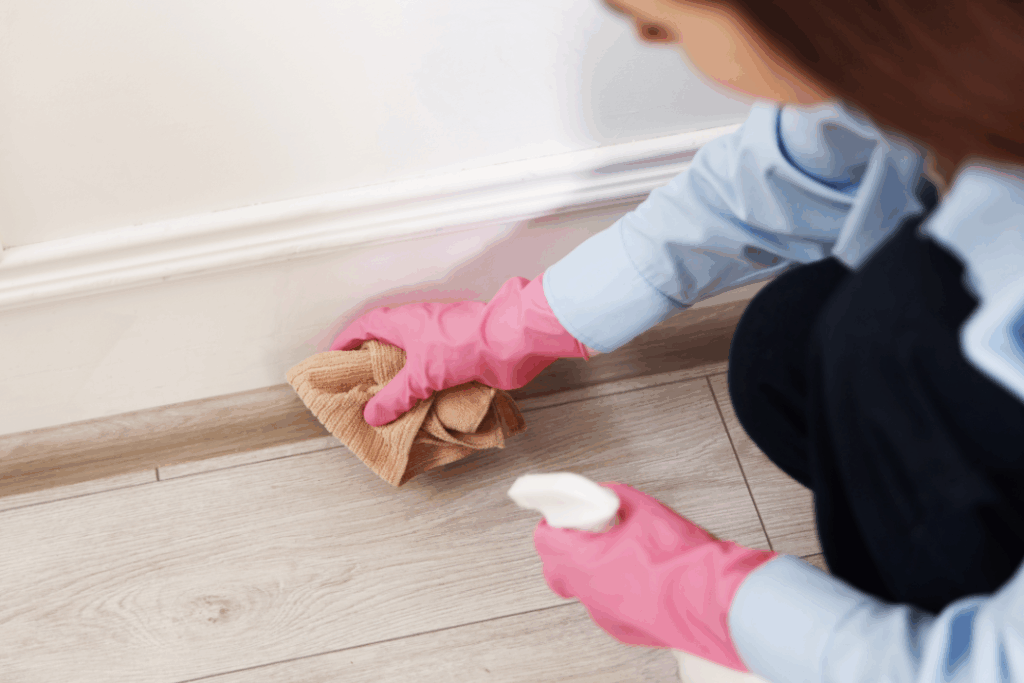
• Baseboards along hallways and stairways
• Window tracks and sliding door frames
• Behind kitchen appliances
These surfaces experience frequent contact or airflow, allowing dirt to build gradually.
High-Traffic Areas That Collect Residue
Entryways are particularly prone to hidden dirt accumulation. Shoes bring in small particles that settle along edges and trim.
Kitchens also develop invisible grease buildup as cooking oils circulate through the air and settle on nearby surfaces.
Practical Strategies for Removing Hidden Buildup
Once homeowners recognize these dirt hotspots, addressing them becomes much easier. A few small adjustments to routines can prevent buildup from becoming difficult to manage.
Regular attention helps remove residue before it spreads to other surfaces.
Simple Cleaning Habits That Help
• Use microfiber cloths that trap fine dust
• Wipe high-touch surfaces regularly
• Pay attention to corners and edges
• Rotate overlooked areas into weekly routines
• Clean from higher surfaces downward
These habits help maintain surfaces while reducing the effort required for larger cleaning sessions.
When a Detailed Home Reset Helps
Sometimes hidden buildup develops across multiple areas at once. When that happens, homeowners may benefit from performing a more thorough reset that targets overlooked surfaces.
Some homeowners occasionally review structured checklists that focus on detailed surface care and neglected areas, similar to what is outlined in comprehensive routines such as deep cleaning services.
Maintenance Habits That Prevent Future Buildup
Preventing hidden dirt is mostly about consistency rather than effort. Rotating attention across commonly overlooked areas can make upkeep much easier.
Small habits performed regularly prevent residue from accumulating over time.
Monthly Rotation Example
A simple rotation system helps maintain balance across the home.
• Week 1: switches, handles, and knobs
• Week 2: baseboards and trim
• Week 3: window tracks and sills
• Week 4: cabinet edges and appliance gaps
This approach spreads tasks across the month without overwhelming regular routines.
Why Consistency Matters
Residue becomes harder to remove the longer it remains on surfaces. Light, consistent maintenance prevents dirt from bonding to materials.
Over time, this habit keeps the home feeling fresher and reduces the need for intensive cleaning efforts.
Frequently Asked Questions
Do hidden areas really affect how clean a home feels?
Yes. Dust from overlooked areas can circulate through the air and settle on other surfaces.
How often should hidden spots be checked?
Many homeowners find that reviewing them once a month helps prevent buildup.
Why do light switches get dirty so quickly?
They are touched frequently, allowing natural oils from hands to accumulate.
Are baseboards important to clean regularly?
Yes. Dust naturally settles along edges and can build up quickly.
What causes buildup near kitchen cabinets?
Cooking oils and airborne grease gradually settle on nearby surfaces.
Do window tracks collect a lot of debris?
Yes. Outdoor dust, pollen, and small particles easily gather in the grooves.
Can pets contribute to hidden dirt buildup?
Pet hair and dander often settle along baseboards and corners.
Is hidden buildup normal even in tidy homes?
Yes. Even well-maintained homes develop residue in areas that are rarely part of routine cleaning.
Conclusion
Most homes contain small areas where dust and residue quietly accumulate through everyday living. By understanding where these hidden spots form and rotating them into simple routines, homeowners can maintain a cleaner and more comfortable environment. Maids On A Mission shares helpful home maintenance insights like these to support homeowners looking to better understand everyday upkeep.
Popup Quote Form
"*" indicates required fields
